
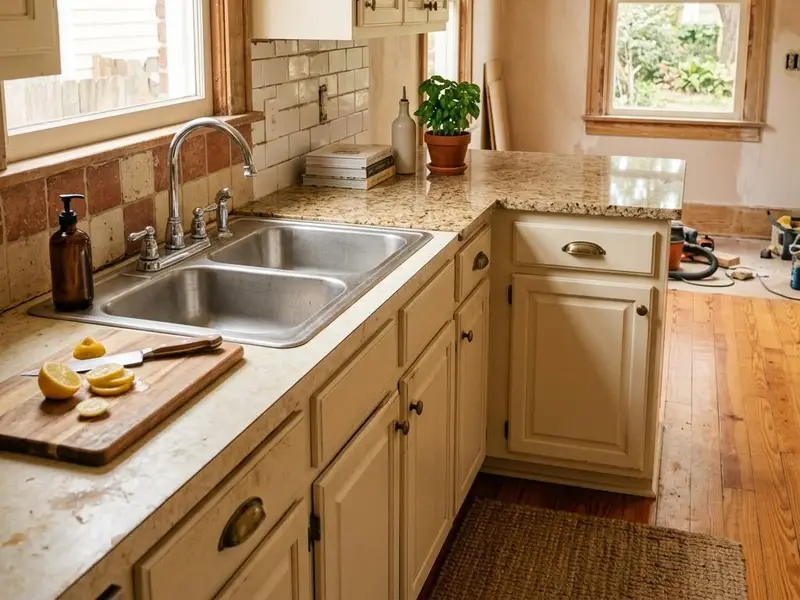
Out with the old top
Granite Countertop Replacement
Plenty of kitchens have solid cabinets and a countertop that has simply worn out. Replacement keeps the boxes you already own and changes the surface you touch every day.
Tile grout that never comes clean, laminate seams that have swollen near the sink, or a speckled stone that no longer suits the room are all common reasons to replace.
Can Your Existing Cabinets Carry Granite?
Granite is heavier than laminate. Most standard base cabinets handle it well, but older units with soft particleboard or water damage under the sink may need reinforcement first.
Replacement is also a good time to look at the sink. An undermount sink pairs naturally with granite, and switching from a drop in sink usually means choosing the new sink before templating.
The Replacement Sequence
- 01
Walkthrough
Cabinets, walls and appliances are checked, and sink and faucet choices are settled.
- 02
Removal
The old top is taken out carefully to protect cabinet faces and drywall.
- 03
Template and fabricate
Accurate measurements are taken from the bare cabinets and the stone is cut to match.
- 04
Install
New granite is set, seamed and sealed so the kitchen can return to normal.
Living Without a Countertop for a Few Days
Many households set up a small temporary station in a dining room with a microwave, coffee maker and a folding table. Paper plates help too.
Ask how long the gap between removal and installation is expected to be. Some projects keep the old top in place until the new stone is ready; others need it gone for templating.
Related Countertop Services
Projects rarely involve just one step. These guides cover the work that most often comes before or after this service.
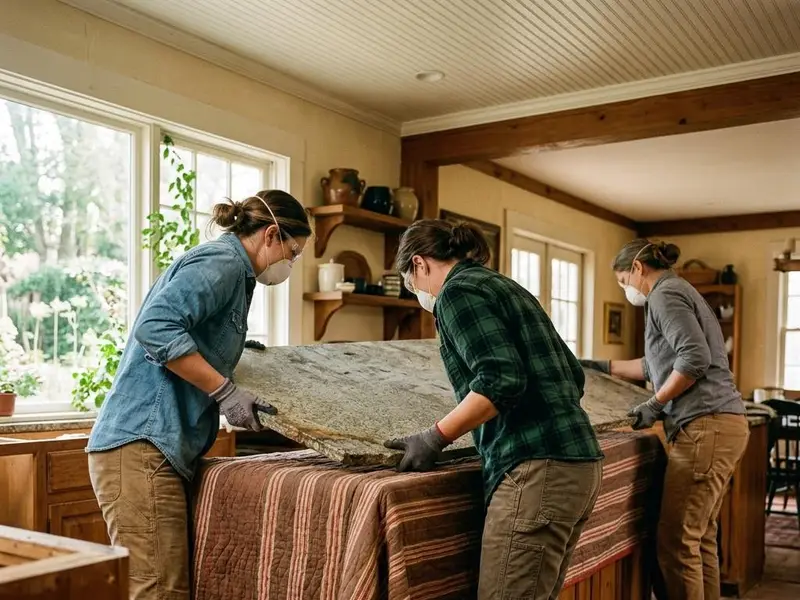
Granite Countertop Removal
Careful removal of old stone, laminate or tile tops that protects cabinets, walls and floors for what comes next.
Explore Granite Countertop Removal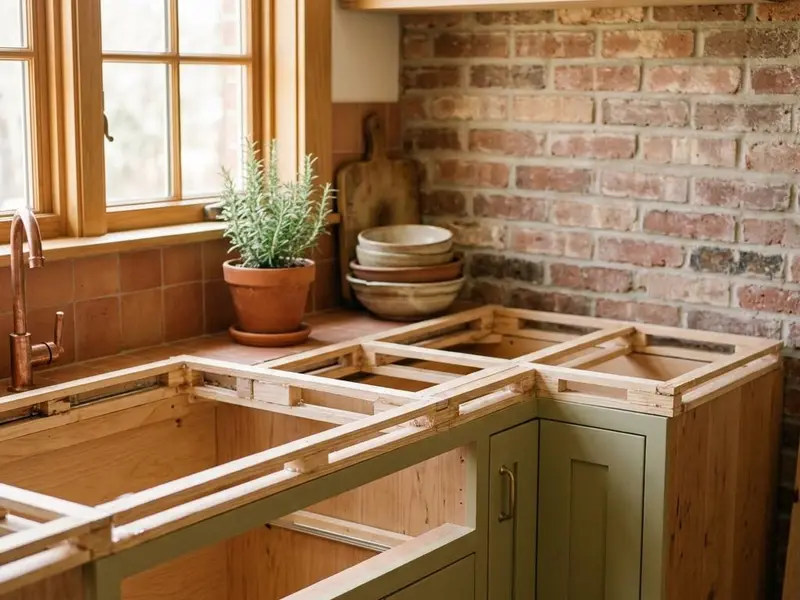
Granite Countertop Templating
Precise full size templates of your cabinets, walls and appliance openings so the stone is cut to fit the first time.
Explore Granite Countertop Templating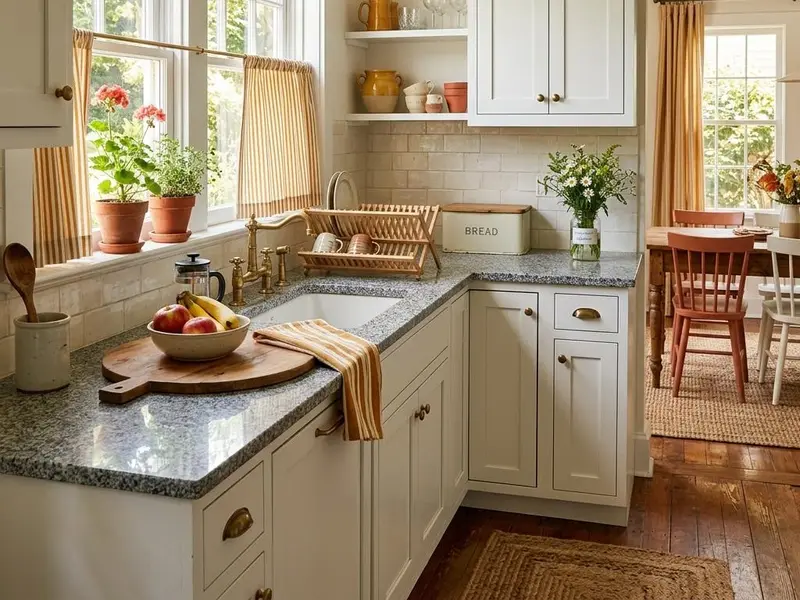
Affordable Granite Countertops
Practical ways to get real granite into your home while keeping the total project cost sensible.
Explore Affordable Granite Countertops
Talk Through Your Granite Countertop Replacement Project
Share a few photos, rough measurements and what you hope to change. A short conversation is the easiest way to plan the next step.