
Close the gap
Granite Seam Repair
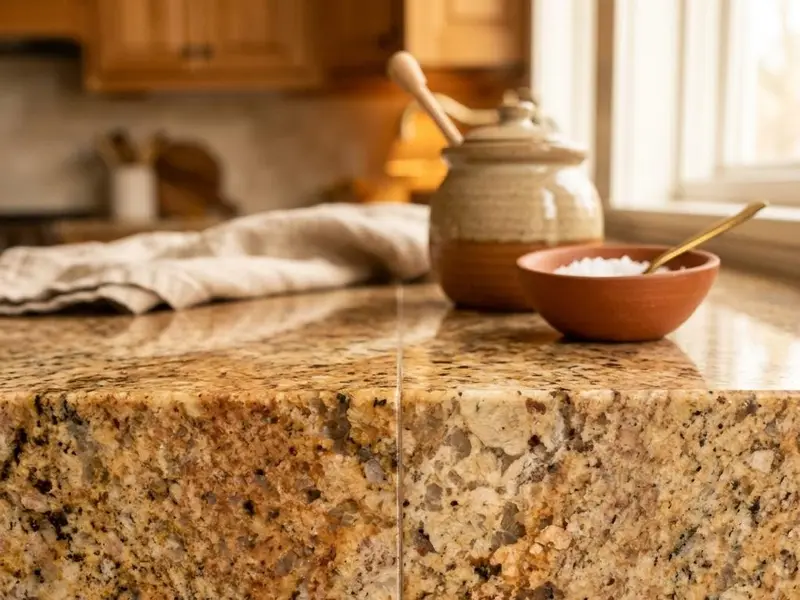
Seams are where two pieces of granite meet. When they are done well they nearly disappear. Over time, though, seam adhesive can darken, crack or separate.
A lifted or open seam catches crumbs and water and can chip along the edge if left alone.
Signs a Seam Needs Attention
Look for a raised lip you can feel with a fingernail, a gap that has widened, or filler that has turned yellow or dark. Seams near sinks and dishwashers are the most common trouble spots because of moisture and heat.
Sometimes the cause is underneath. A cabinet that has shifted or settled will keep pulling a seam apart until the support is fixed.
How a Seam Is Repaired
- 01
Open
Old filler is cut out carefully without chipping the stone edges.
- 02
Support
Shims or blocking correct any movement underneath.
- 03
Level and fill
Pieces are pulled flush and the gap is filled with tinted adhesive.
- 04
Finish
Excess is shaved off and the seam is polished to match.
Keeping Seams Healthy
Avoid sitting on counters over seams and do not let water stand along them. Dishwasher steam can weaken adhesive over time, so let the door close fully during cycles.
If a seam reopens soon after repair, ask about cabinet movement before simply filling it again.
Related Countertop Services
Projects rarely involve just one step. These guides cover the work that most often comes before or after this service.
Granite Countertop Repair
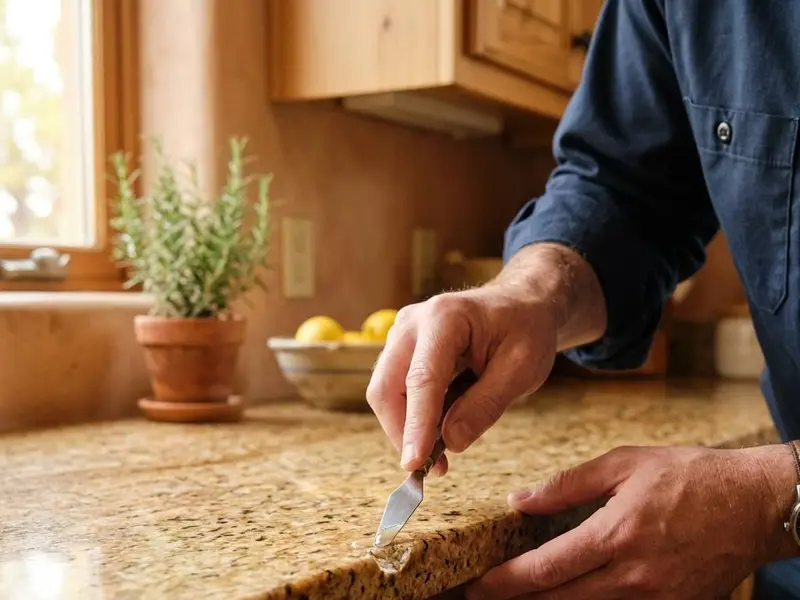
Fixing chips, cracks, loose seams, dull spots and stains so a good granite top keeps serving your home.
Explore Granite Countertop Repair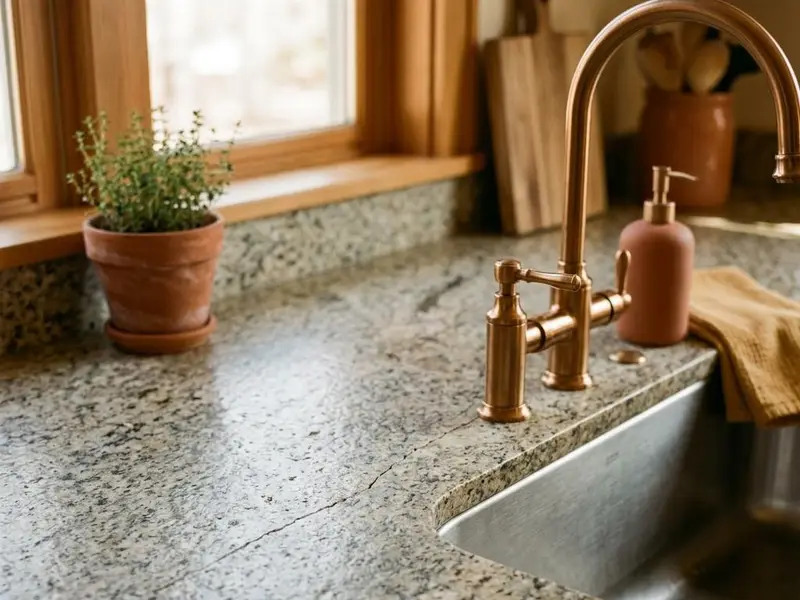
Granite Crack Repair
Stabilizing and filling cracks, and finding the support or stress problem that caused them in the first place.
Explore Granite Crack Repair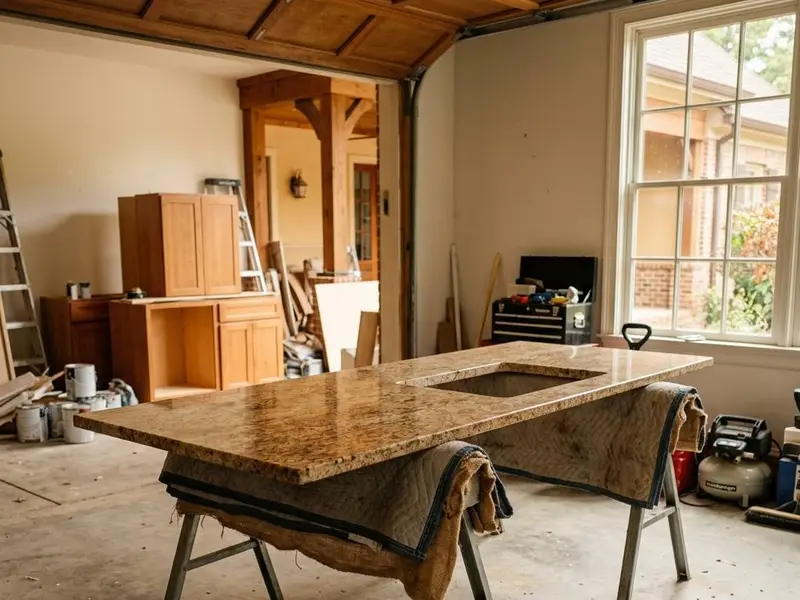
Granite Countertop Reinstallation
Removing and resetting your existing granite after cabinet, flooring or plumbing work, or moving it to new cabinets.
Explore Granite Countertop Reinstallation
Talk Through Your Granite Seam Repair Project
Share a few photos, rough measurements and what you hope to change. A short conversation is the easiest way to plan the next step.