
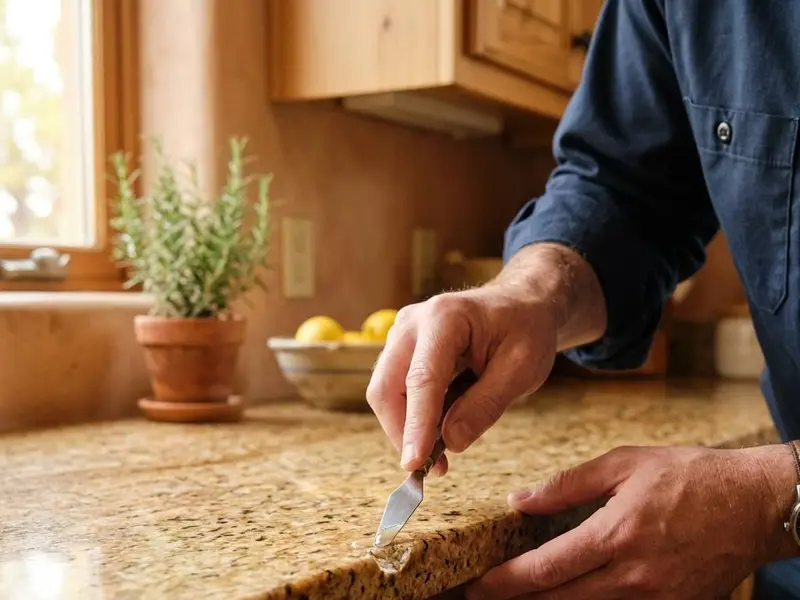
Keep the stone you love
Granite Countertop Repair
Granite is tough, but it is not invincible. A dropped cast iron pan, a slammed dishwasher door or years of hot pots can leave marks that bother you every time you wipe the counter.
Most damage is local and fixable. Repair is usually a fraction of the disruption of replacement.
Common Granite Damage and What Causes It
Chips form along edges and around sink cutouts where the stone is thinnest. Cracks often trace back to an unsupported overhang or a cabinet that settled. Seams open when adhesive ages or cabinets shift.
Stains come from oil, wine or rust soaking into stone that has lost its sealer. Each problem has its own fix, which is why we have separate pages for seams, chips, cracks and stains.
How a Repair Visit Works
- 01
Diagnose
The damage is examined to find the cause, not just the symptom.
- 02
Clean and prep
The area is cleaned and dried so resin or poultice can bond.
- 03
Repair
Color matched fillers are applied, cured and leveled flush with the surface.
- 04
Polish and seal
The repaired spot is polished to blend and sealed to protect it.
Small Habits That Prevent Future Damage
Use cutting boards, and keep heavy pots off unsupported overhangs. Avoid standing or kneeling on counters when changing light bulbs.
Wipe spills promptly, especially oils and acidic liquids, and test your sealer every so often with a few drops of water.
Related Countertop Services
Projects rarely involve just one step. These guides cover the work that most often comes before or after this service.
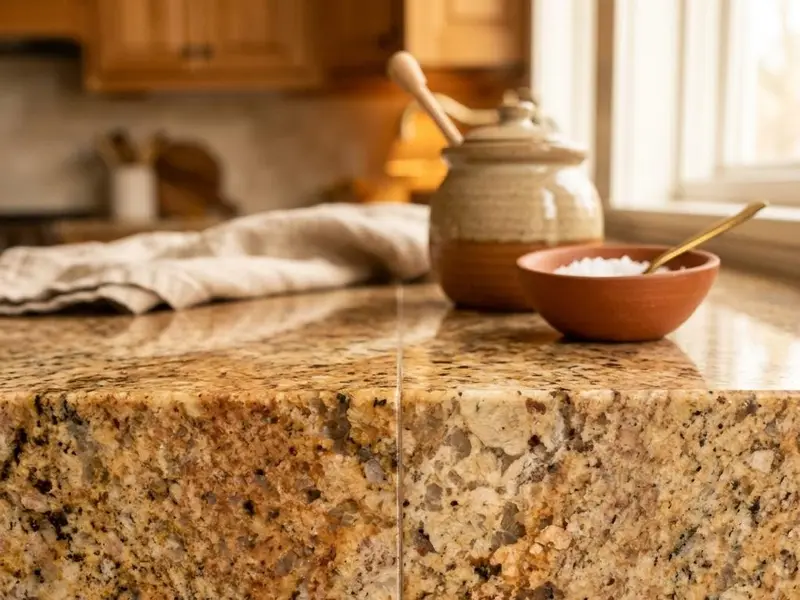
Granite Seam Repair
Reworking open, uneven or discolored seams so two pieces of granite read as one continuous surface again.
Explore Granite Seam Repair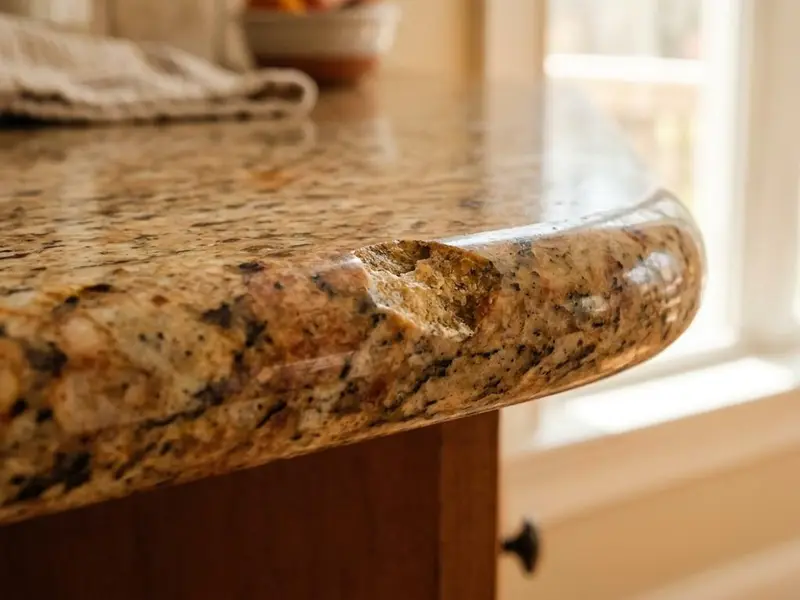
Granite Chip Repair
Filling chipped edges and sink rims with tinted resin, then shaping and polishing so the damage blends away.
Explore Granite Chip Repair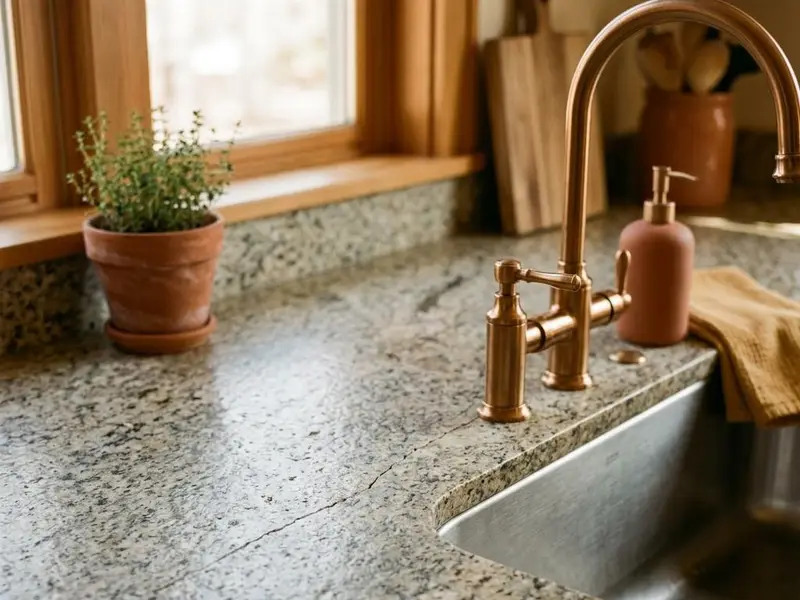
Granite Crack Repair
Stabilizing and filling cracks, and finding the support or stress problem that caused them in the first place.
Explore Granite Crack Repair
Talk Through Your Granite Countertop Repair Project
Share a few photos, rough measurements and what you hope to change. A short conversation is the easiest way to plan the next step.